Thinking about buying in Plymouth Meeting but not sure which home style fits your life and budget? You are not alone. Between historic stone houses, mid‑century Colonials, and low‑maintenance townhomes, your options each come with trade‑offs. In this guide, you will learn what to expect from each style, how to plan for inspections and upgrades, and which choices align with your lifestyle goals. Let’s dive in.
Plymouth Meeting traces its roots to the 18th century, so you will see a mix of eras as you explore. The area blends historic village cores, mid‑century suburban neighborhoods, and later clusters of condos and townhomes near major roads. Development accelerated in the 20th century with access to commuter routes, which shaped today’s housing patterns.
This matters because a home’s age and development era affect construction methods, systems, layout, and maintenance expectations. It can also influence lot size, whether the property uses public water and sewer, and whether historic guidelines apply. Always confirm which township the home sits in, since properties may be in Plymouth Township or Whitemarsh Township.
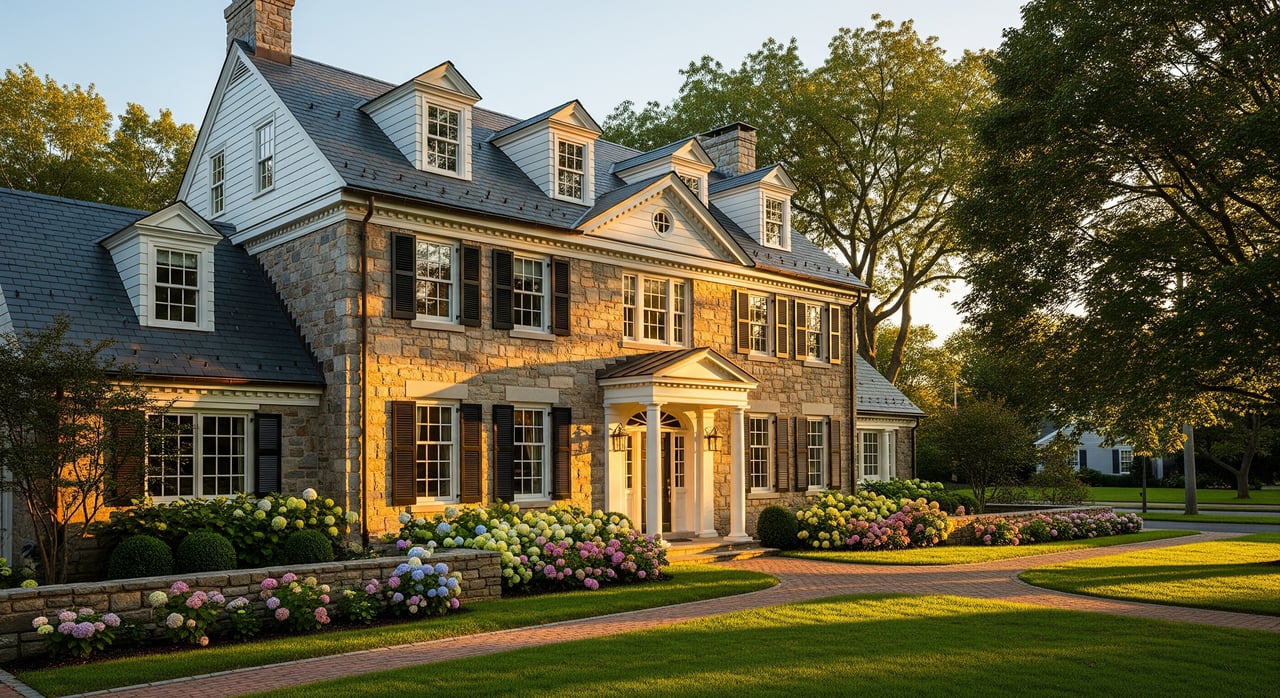
Many of these homes feature fieldstone or cut stone walls, wood framing in later additions, and original plaster walls that may have been updated with drywall. Floor plans are often compartmentalized, with smaller rooms, formal parlors, and modest kitchens unless already renovated. You may find narrow staircases, low attic headroom, and cellars with moisture concerns.
If you love character, these homes deliver unique details like exposed beams and stonework. Be prepared for additional budget and a longer project timeline to modernize systems and improve energy efficiency. Work with inspectors who understand historic construction and masonry so you get a clear picture before you commit.
Built mainly from the post‑WWII era through the 1970s, these homes are typically wood frame with masonry veneer or brick and poured concrete or block foundations. Common layouts include two‑story Colonials with central halls, single‑level ranches with easier accessibility, and split‑levels with short runs of stairs between zones. Many neighborhoods feature mature trees and larger lots.
These homes are often easier to modernize than very old properties. Many buyers open walls for a more connected kitchen and living area, subject to structural review. Basements frequently offer space for finishing or storage. Kitchens and baths are common upgrade targets and can significantly boost livability and resale appeal.
You get solid bones with flexible layouts and the chance to create a contemporary feel. Expect moderate budgets for updates, and prioritize system efficiency to keep long‑term costs in check. Ranch homes can be especially attractive if you prefer single‑level living.
Starting in the late 20th century and continuing through more recent infill, you will find townhome communities and condo buildings with efficient floor plans. Townhomes typically have multiple stories with stacked bedrooms and smaller private yards or patios. Condos offer flat or stacked layouts, sometimes with amenities.
Most townhomes and condos are part of homeowners or condominium associations. The HOA may handle exterior maintenance, roofs, landscaping, and snow removal, but every community differs. Review governing documents, budgets, and reserve studies to understand coverage, rules, and any planned projects or special assessments. Lenders may require condominiums to meet certain criteria, so ask about financing eligibility early.
Townhomes and condos can be great low‑maintenance options with strong commuter convenience. Weigh the monthly HOA fees against what they include, and investigate the association’s financial health and management quality. Strong HOA governance supports long‑term value and easier resale.
Insurance costs reflect age, materials, and prior claims. Older homes may need additional endorsements. Lenders can require repairs for safety items before closing. Most structural or mechanical work requires permits, and exterior changes in designated historic areas may be reviewed by local preservation bodies. For condos, financing can hinge on project approval standards, so confirm eligibility early.
Plymouth Meeting’s proximity to major commuter routes, including I‑476 and the Turnpike, adds demand for homes with easy access. Shopping nodes and commercial corridors can increase convenience while also adding traffic near certain developments. Older village areas may offer more walkable amenities, while newer neighborhoods tend to be car‑oriented.
Resale value reflects both condition and context. Updated mid‑century homes with efficient systems often appeal to a broad buyer pool. Historic homes draw buyers who value character, though projects that need extensive work can narrow the audience. Townhomes and condos appeal to first‑time buyers, downsizers, and commuters, with values closely tied to HOA strength and local demand. School districts and municipal services are important to many buyers; always verify current property tax figures and school information through official channels.
Your next home should fit your lifestyle, budget, and long‑term plans. Whether you are drawn to a stone charmer, a flexible mid‑century layout, or a low‑maintenance townhome, you will make a stronger decision with clear inspection priorities and a realistic budget.
If you want a local advocate to help you compare options, source off‑market opportunities, and line up trusted inspectors and contractors, reach out to Jamie Erfle. Let’s connect.
Jamie offers a high level of service and attention, strong negotiation skills, and an eye for detail and design.
Let's ConnectCompass
8236 Germantown Ave. Philadelphia, PA 19118