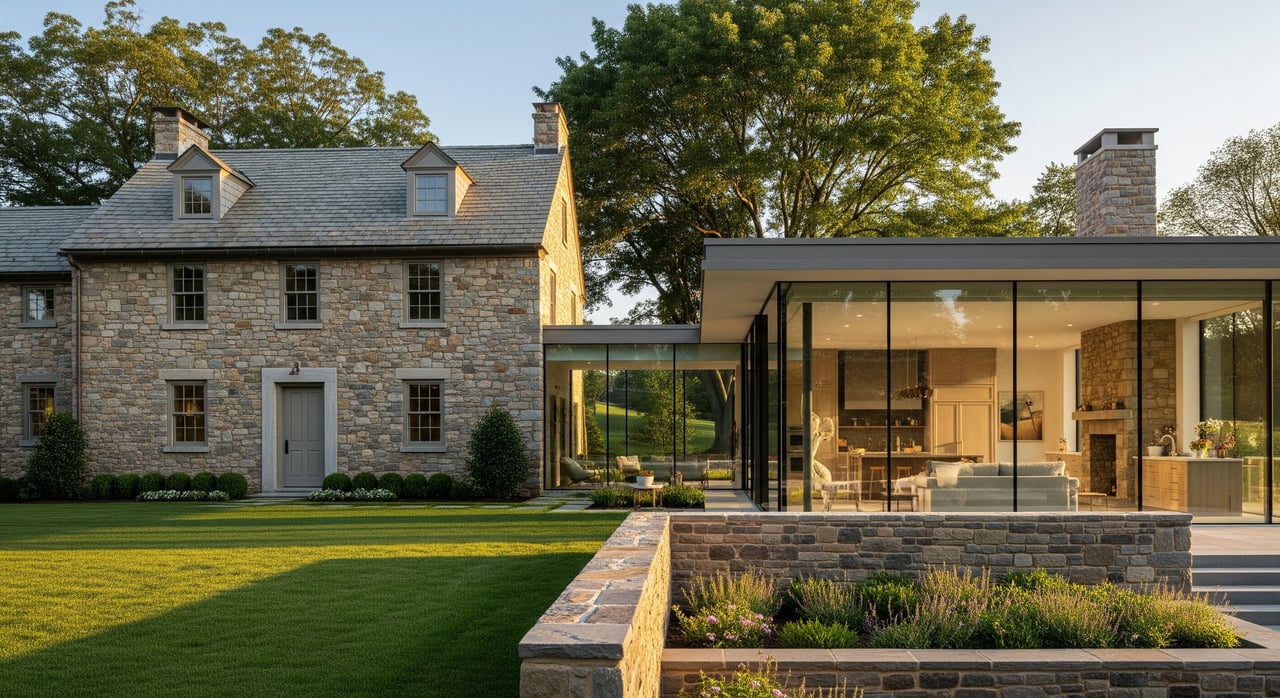
Torn between a character-filled Colonial and the ease of a newer build? In Whitemarsh and nearby Montgomery County neighborhoods, you have great choices across the spectrum. You want a home that fits your lifestyle today and holds value for tomorrow. This guide shows you how historic charm compares to modern comfort, so you can buy with confidence. Let’s dive in.
Whitemarsh housing mix at a glance
Whitemarsh blends 18th–19th century stone farmhouses, early and mid‑20th century Colonials, postwar homes, and recent infill construction. Landmarks like Hope Lodge in Fort Washington highlight the area’s deep history alongside suburban growth.
Property taxes and school levies vary by municipality, so factor local tax rates into your monthly budget. Zoning, historic review, and permitting are handled locally. Before planning additions or exterior changes, check requirements with Whitemarsh Township.
Utilities differ by property. Many homes are on public water and sewer, but older or more rural parcels may have a well or septic. Pennsylvania has elevated radon potential. Plan for testing and mitigation guidance through the Pennsylvania DEP radon program. Also review drainage and flood risk with the FEMA Flood Map Service Center.
Layout and flow
Older Colonials and farmhouses
- Defined rooms like formal living, dining, and parlors. Smaller original kitchens and modest closets are common.
- Character details stand out: fireplaces, moldings, wide-plank floors, exposed beams.
- Trade-offs: fewer en-suite baths, tighter stairs or hallways, and occasional lower ceilings. Many homes have been opened up over time.
Newer construction and renovations
- Open-concept living with larger kitchens, islands, and direct access to outdoor space.
- Larger primary suites, walk-in closets, and attached garages make everyday life easier.
- Trade-offs: less formal room separation and sometimes smaller lots in infill locations.
What to do next
- Walk the layout to judge flow and usable square footage.
- If a remodel removed walls, ask for permits and structural documents.
Energy, systems, efficiency
Older homes
- Expect older insulation, mixed windows, and legacy HVAC like boilers or older furnaces if not upgraded.
- Typical improvements include attic insulation, air sealing, high-efficiency HVAC or heat pumps, panel upgrades, and window updates.
- Older homes may have lead-based paint or asbestos in legacy materials. A full inspection is key.
Newer homes
- Built to more recent codes with better insulation and air sealing.
- Often include high-efficiency HVAC, modern electrical, and efficient windows and lighting.
- Lower operating costs and fewer near-term replacements are common benefits.
Smart steps
- Order a full home inspection and consider a home energy audit. The U.S. Department of Energy’s Energy Saver and ENERGY STAR offer helpful guidance.
- Ask for recent utility bills to understand typical operating costs.
- Explore rebates and incentives for heat pumps, insulation, and windows on DSIRE.
Storage and usable space
Older homes
- Storage was not a priority when many of these homes were built. Expect smaller closets and limited built-ins.
- Finishing a basement, adding closets, or using outbuildings can help. Check moisture and access before investing.
Newer homes
- Designed with storage in mind: walk-in closets, pantry space, mudrooms, and 2‑car garages are common.
Tip: If garage space and closets rank high for you, focus on newer builds or older homes with thoughtful renovations.
Outdoor space and lots
Older properties
- Mature trees, stonework, terraces, and larger lots can offer privacy and scenery.
- Maintenance can be higher, and older grading may affect drainage. On larger parcels, verify any well or septic components.
Newer properties
- Planned outdoor living spaces and modern drainage are common, sometimes with HOA-maintained common areas.
- In denser areas near major roads, lots can be smaller but offer quicker access to services.
Due diligence
- Check boundaries, easements, tree rules, and stormwater requirements. Review flood risk with FEMA’s maps and consult township guidance before building sheds, decks, or pools.
Maintenance and lifecycle costs
- Roofs, HVAC, windows, and water heaters all have expected lifespans. Older homes are more likely to need replacements sooner.
- Preserving historic features like masonry, slate roofs, or original windows often requires specialists and a higher budget.
- Newer homes tend to have lower near-term maintenance but still need routine care.
Plan ahead: Ask for maintenance records. Order targeted inspections for chimneys, foundations, pests, and electrical where appropriate.
Historic rules and permits
- Some Whitemarsh properties fall under historic-district guidelines or preservation easements. Exterior changes may require review.
- State and federal historic tax credits often focus on income-producing properties, not most owner-occupied single-family homes. Check the Pennsylvania Historical & Museum Commission for guidance.
- For local approvals and timelines, contact Whitemarsh Township early in your planning.
Smart buyer checklist
Use this quick list during tours and negotiations:
- Structure and foundation: look for settlement, cracks, and water intrusion.
- Roof age and condition.
- Attic insulation and ventilation.
- HVAC age, type, and service history.
- Electrical capacity, panel type, and visible older wiring.
- Plumbing materials and known issues.
- Chimney and flue condition.
- Moisture, mold, and exterior drainage.
- Lead paint and asbestos risk in pre‑1978 homes.
- Radon testing, especially in basements and lower levels, with resources from the PA DEP.
- Septic and well inspections if applicable.
Financing and incentives
If you love a historic home but need updates, or you want to boost efficiency in any property, consider:
What matters most for you
If you value character, original materials, and mature landscaping, an older Colonial or farmhouse may feel right. If you want turnkey convenience, open flow, and abundant storage, a newer build could be a better fit. Either way, a clear plan for inspections, operating costs, and any upgrades will help you buy with confidence.
Ready to tour homes that match your style and budget? Reach out to Jamie Erfle for design-minded guidance, local insight, and a smart plan from first showing to closing.
FAQs
Which home type resells better in Whitemarsh?
- Both historic Colonials and newer homes resell well, but they attract different buyers; value depends on location, lot, condition, and updates.
What renovation costs should I expect on an older home?
- Cosmetic updates can be modest, while major systems like roof, HVAC, electrical, and windows can be significant; get contractor estimates before you commit.
Are there rebates for energy upgrades in Montgomery County?
Do historic homes limit the changes I can make?
What inspections are most important for Whitemarsh homes?
- Get a full home inspection plus radon testing, and add specialists for chimney, foundation, septic or well, and electrical as needed.